Storm & Hail Damage Repair in Northwest Arkansas
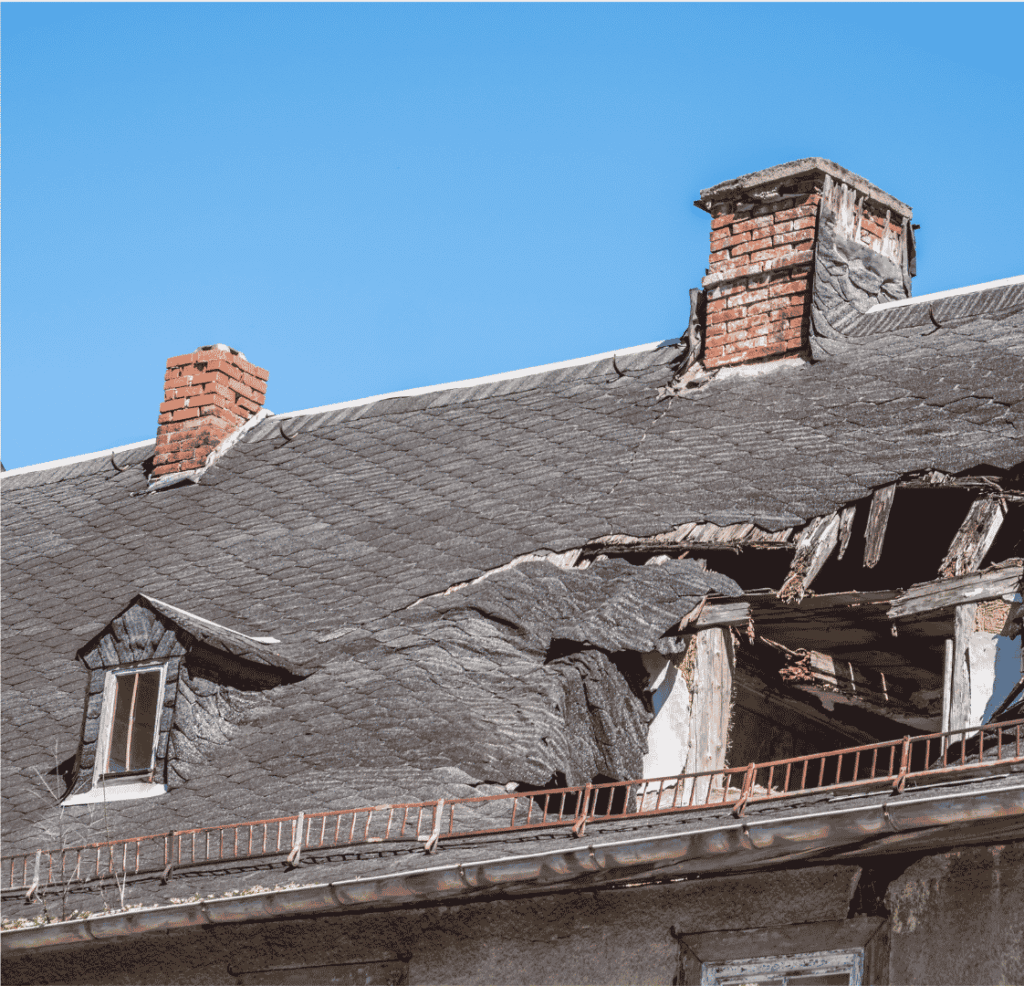
The storm passed. Now you’re standing in your yard wondering if your roof took a hit, or standing in your living room looking at a water stain that wasn’t there yesterday.
Here’s what matters right now: storm damage doesn’t always show up immediately, insurance claim windows are real, and Northwest Arkansas attracts contractors after every major weather event who do fast work and disappear just as fast. If you’ve been searching “hail damage roof repair” or “storm damage roof repair near me,” the next few hours are more important than most homeowners realize.
TCG Roofing is locally owned and based in Springdale, serving Fayetteville, Bentonville, Rogers, Springdale, Siloam Springs, and communities across Benton and Washington counties. We’re not storm chasers. We’re here year-round, and we’ll still be here when you need a warranty honored.
Call (479) 283-8154 for a free storm damage inspection. If your roof needs emergency protection today, call now and we’ll prioritize getting to you.
Why Northwest Arkansas Gets Hit So Hard
Benton and Washington counties sit in one of the most active severe weather corridors in the region, where warm Gulf moisture collides with cold fronts pushing down from the north. That produces hail events multiple times a year, high-wind thunderstorms, and periodic tornado activity. The Memorial Day 2024 tornado outbreak that tore through Rogers and Benton County is a recent example of just how fast a single weather system can generate widespread roof damage across the area. Understanding what each type of storm does to your roof is the first step in knowing what to look for after one passes through.
Hail Damage
Hail about 1 inch across (roughly quarter-sized) or larger is usually the threshold for real shingle damage. It rarely leaves obvious cracks, instead knocking off the protective granule layer and causing micro-fractures that often don't show up as a leak for 6-18 months. Dented gutters and ridge caps are a reliable sign hail hit hard enough to damage the shingles too.
Wind Damage
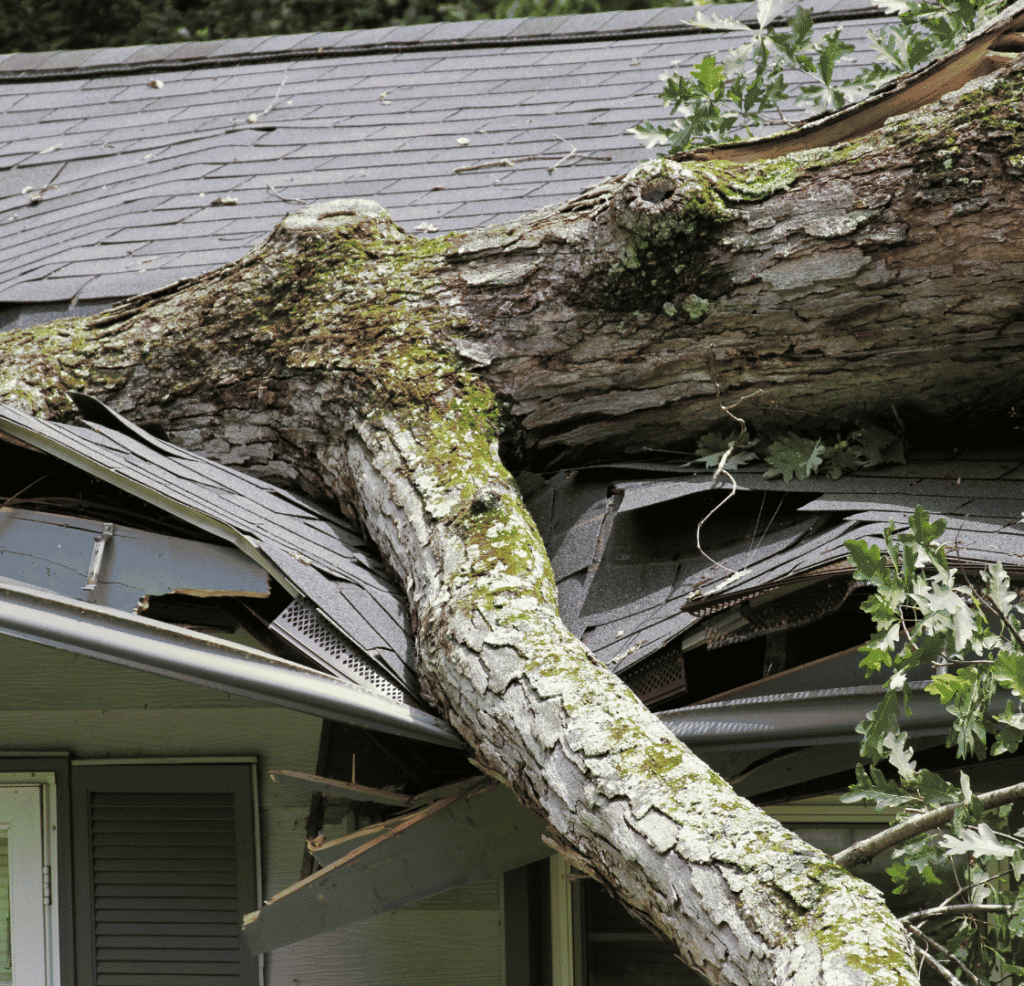
NWA sees gusts above 60 mph in severe storms. High winds lift shingles at the edges, break the seal below, and let water track underneath, often targeting ridge caps and flashing around chimneys and vents. Falling limbs and windborne debris add another layer of risk, puncturing shingles and decking in ways that aren't always visible.
Combined Storm Events
Major thunderstorm complexes and tornado-producing systems bring hail and high winds together, causing damage across every roof component at once: shingle surface, seals, flashing, and in severe cases, the decking underneath. A thorough professional inspection after these events is not optional.
Note: If the same storm also damaged your gutters, siding, or fascia, that's a separate but related issue. See our complete exterior storm damage repair guide for whole-home coverage beyond the roof.
Visible Damage vs. Hidden Damage: What You Can and Cannot See
Visible from the Ground
Missing shingles, visibly lifted ridge caps, large debris on the roof surface, dents on gutters and downspouts, and water staining inside the home. These are clear signals that something has happened and an inspection is needed.
Hidden from the Ground
Granule loss across the shingle field, micro-fractures from hail impact (dark, circular bruises where granules have been knocked away, exposing the black mat underneath), underlayment compromise from broken seals, flashing separation around penetrations, and early moisture intrusion in the attic or decking. These determine the roof's long-term health and are most commonly missed.
Hail damage in particular is notoriously difficult to assess without getting on the roof and knowing exactly what to look for. Granule loss from hail presents differently than granule loss from age. Shingle bruising from a direct hail strike looks different from surface cracking caused by thermal stress. An experienced inspector can read those differences. An untrained eye, including in some cases an insurance adjuster who is under time pressure and moving quickly, can miss them.
This is why TCG documents storm damage with a thorough on-roof inspection, detailed photographs of every affected area, and a written assessment describing what was found and what caused it. That documentation protects your claim from the moment you file it.
Is It a Repair or a Full Replacement?
Not every storm hit means a new roof. Here's the general breakdown.
Likely a Repair
Damage is isolated to a small area (a few shingles, one section of flashing, a single ridge cap), the roof is under 10 years old, and there's no widespread granule loss across the field.
Likely a Full Replacement
Hail impact is spread across most or all of the roof's surface, the roof is already older or near the end of its expected lifespan, or the damage compromises the decking underneath.
The Gray Area
Moderate, scattered damage on a mid-age roof. This is where insurers and contractors sometimes disagree, and it's also where matching materials matters, if your shingle color or profile has been discontinued, a full slope (or the whole roof) may need replacing just to keep the repair from looking patched.
The honest answer usually depends on what an inspector finds once they're actually on the roof, not what's visible from the driveway. We'll tell you which situation you're in and why, before you spend a dollar.
What to Do in the First 48 Hours After a Storm
The decisions you make in the first two days after a major storm have a direct impact on your safety, your roof, and your insurance claim. Here is exactly what to do.
Stay off the roof
A storm-damaged roof may have compromised decking, wet surfaces, and structural instability that isn't visible from above. Don't climb up to inspect it yourself regardless of how stable it looks.
Document everything from the ground before any work begins
Photograph and video all visible damage: missing shingles, displaced ridge caps, dents on gutters and vents, debris on the roof, and any interior signs like ceiling stains or attic moisture. Timestamp everything. This is the foundation of any insurance claim.
Check your attic if you can do so safely
Look for light coming through the decking, moisture on insulation, or water staining on structural members. These are the earliest signs a roof breach has already occurred.
Call TCG for an emergency roof inspection
We respond quickly after storm events, inspect the full roof, document all damage in writing and photographs, and tell you honestly what needs to be done. If the roof needs emergency protection before repairs can be scheduled, we handle that too.
Call your insurer to report the damage
Do this promptly. For the specific Arkansas deadlines and protections that apply once you've filed, see our full guide to filing a roof insurance claim after storm damage.
Don't sign anything from a contractor who shows up unsolicited
More on why below.
The Storm Chaser Problem in NWA
After every significant hail or wind event in Northwest Arkansas, out-of-town roofing crews flood the area canvassing neighborhoods. A few things worth watching for before you sign anything.
Door-to-door offers for a "free inspection" the same day, often with pressure to sign on the spot
Being asked to sign an Assignment of Benefits agreement before anyone has even looked at the roof
Out-of-state plates or no verifiable local address
Offers to waive or cover your deductible
No proof of an Arkansas contractor license or insurance on request
What an Assignment of Benefits Actually Means
An Assignment of Benefits agreement transfers your insurance claim rights to the contractor. Once signed, they can negotiate directly with your insurer, often for amounts that benefit them rather than you, and you have limited ability to dispute the scope of work or the quality of the repair after the fact. These contractors do the job fast because they plan to move to the next storm market quickly. When something goes wrong six months later, they are in another state.
You have the legal right to choose any licensed contractor you trust for storm damage repairs in Arkansas. Your insurer cannot require you to use a preferred contractor. TCG Roofing is based in Springdale and has worked in the NWA community year-round. We'll still be here when you need a warranty honored, not in another state chasing the next storm.
TCG's Storm & Hail Damage Repair Process
Here is exactly how TCG handles every storm damage job from the first call to the completed repair.
Emergency Response and Temporary Protection
If your roof has active water intrusion or structural damage, TCG provides emergency tarping to stop damage from spreading while the full process gets underway.
Full Roof Inspection and Damage Documentation
We inspect the entire roof and photograph every affected area. The written assessment gives you the documentation your insurer needs.
Written Estimate and Repair Plan
A clear written estimate covers every element of the repair before work begins, whether that's a repair or a full replacement.
Insurance Coordination
We make our documentation available, can attend the adjuster walkthrough, and ensure the repair scope matches what's been approved.
Storm & Hail Damage Repair
We complete the repair with materials that match your existing roof, following manufacturer specs to maintain warranty coverage.
Final Inspection and Cleanup
We walk the repaired area with you, review the warranty, and make sure the property is clean with a full magnetic
Why NWA Homeowners Choose TCG Roofing for Repairs
Lazaro Torres built TCG Roofing on a straightforward principle: do the job right, communicate clearly, and stand behind the work after the truck leaves. That matters more in storm damage work than almost anywhere else.

The diagnosis comes before the repair, every time.
A ceiling stain tells you water got in somewhere, not where. Finding the actual entry point is the most important part of any roof repair and the step that gets skipped most often. We trace every leak to its source before anything gets fixed.

We tell you what the repair will and won't fix
Some repairs solve a problem completely; others address the immediate issue but leave an aging surrounding area that will need attention within a year or two. We tell you which situation you're in before you spend money, not after.

The same crew handles the inspection and the work.
There's no handoff between the person who diagnosed your roof and the crew that shows up to fix it, so nothing gets lost in translation.
We repair to hold, not to get through the next season.
Materials are matched properly, flashing is seated and sealed to manufacturer standards, and penetrations are recollared rather than caulked over.
Insured work, guaranteed results.
If a repair fails due to our workmanship within the guarantee period, we come back and fix it at no cost to you.
Locally owned, Springdale based.
We're part of the NWA community year-round, not a storm-chasing outfit that showed up after a weather event. Our name is on every repair we do.
Serving Northwest Arkansas and Surrounding Areas
We also serve parts of Oklahoma and Missouri. Not sure if we cover your area? Call us at (479) 283-8154 and chances are, we do.

Have Any Questions or Need more info?
Don’t Hesitate To Contact Us Any Time.
Frequently Asked Questions
How do I know if my roof was damaged if I can't see anything from the ground?
Usually, you can’t tell from the ground. Granule loss, shingle bruising, and micro-fractures need a close inspection on the roof itself. Dented gutters, downspouts, and vents are the most reliable ground-level clue that hail hit hard enough to affect your shingles too.
How soon after a storm should I call for an inspection?
Within a day or two, ideally. The sooner it’s inspected, the easier it is to document and tie the damage to a specific storm date, and the lower your risk of secondary water damage.
Will my homeowners insurance cover storm and hail damage repair?
In most cases, yes. Standard Arkansas homeowners policies cover roof damage from sudden events like hail, wind, and falling debris. Whether a specific claim is approved depends on your policy, your deductible, and how well the damage is documented as storm-related rather than wear and tear.
What changed with Arkansas insurance coverage for roofs in 2024?
Insurers can now apply depreciation (actual cash value) settlements on wind- or hail-damaged roofs starting at age 7, down from the old 15-year threshold, and can charge separate wind/hail deductibles. Older roofs may see a smaller payout than homeowners expect as a result. See our full ACV vs. RCV breakdown for how this plays out in real numbers.
What should I do if a roofing contractor shows up unsolicited after a storm?
Don’t sign anything on the spot, especially an Assignment of Benefits agreement. Ask for their Arkansas contractor license number and verify it before committing to anything.
Does storm or hail damage always mean I need a full roof replacement?
No. Isolated damage on a newer roof is often a straightforward repair. Widespread granule loss, an older roof, or decking damage points toward a full replacement. An on-roof inspection is the only reliable way to know which applies to you.
Ready to get started on your roofing project?
After the Storm, Don't Wait
The window before your next storm event is shorter than you think, and a compromised roof left unprotected accumulates damage fast. TCG offers free inspections with thorough documentation and no pressure.
Call (479) 283-8154 or fill out the form below to schedule your free storm damage inspection.