Filing a roof insurance claim after storm damage starts with documentation, not a phone call. The homeowners who get the smoothest claims are the ones who photograph everything and get a professional inspection before they ever talk to an adjuster, not after.
We walk NWA homeowners through this more often than you’d think, usually right after we’ve confirmed hail or wind damage during an inspection. The roof part of the conversation is usually the easy part. It’s the insurance side that leaves people feeling lost, mostly because nobody explains what actually happens between “I noticed damage” and “the check arrived.”
Why the First Few Days Matter More Than People Expect
Here’s the thing about insurance claims. They’re built on documentation, not just the damage itself. An insurer isn’t in your backyard when the hail hits, so everything they know about what happened comes from what you show them afterward.
That’s why acting early matters so much. The Arkansas Insurance Department recommends contacting your insurer quickly after a storm and documenting the damage with photos, since a claim filed close to the storm date is far easier to tie to that specific weather event than one filed weeks or months later, after questions start coming up about whether the damage is really storm-related or just ordinary wear.
Step One: Document the Damage Safely
Start from the ground. Don’t climb onto a wet or damaged roof, that’s genuinely dangerous, and a professional inspection is going to catch far more than a homeowner walking the slope anyway.
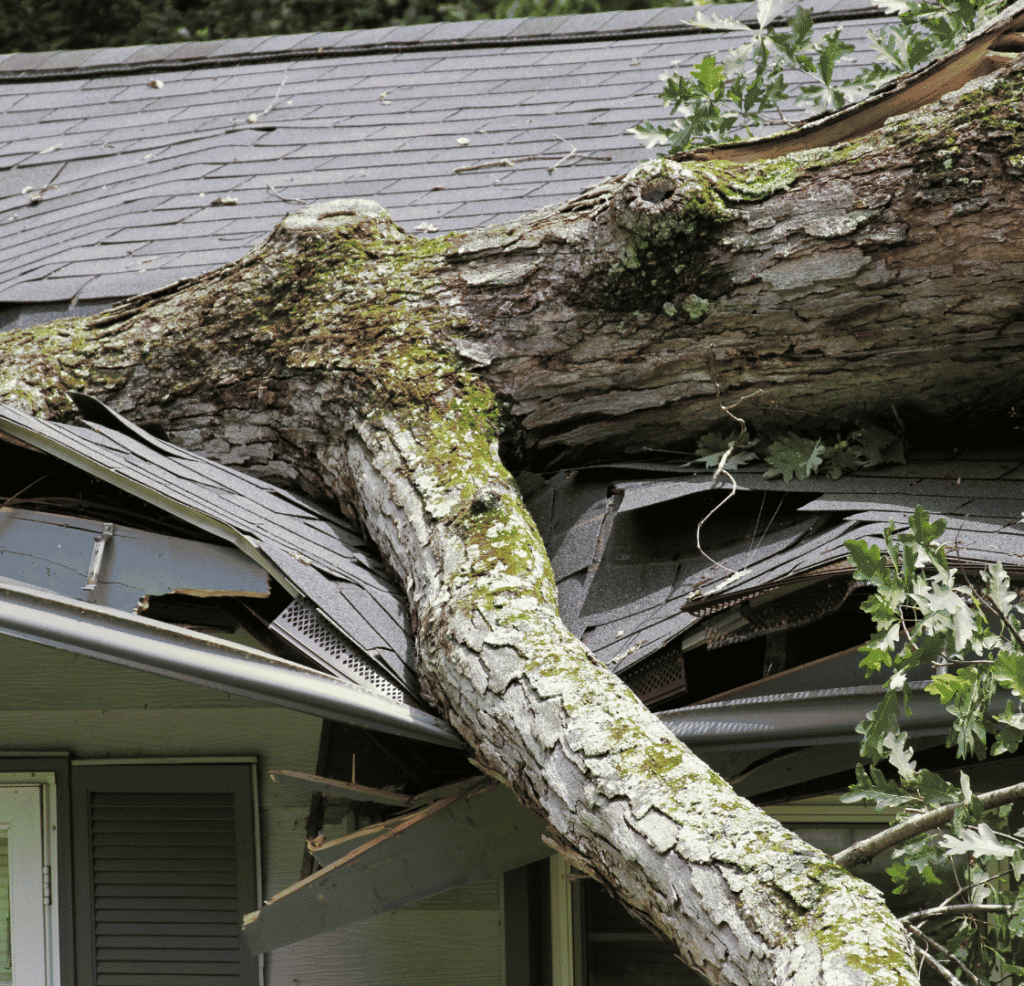
What you can do safely is walk your property and photograph anything visible from the ground: missing shingles in the yard, damaged gutters, dented vents, debris on the roofline. If water is coming into the home, photograph that too, and place a bucket under any active leak before it spreads to flooring or furniture. Timestamped photos matter here, most phones automatically log the date, and that record becomes part of what supports your claim later.
Step Two: Get a Professional Roof Inspection
This is the step that changes everything about how strong your claim looks. A homeowner’s photos from the ground establish that something happened. A licensed contractor’s inspection establishes the scope of what happened, which is a different level of documentation entirely.
We’re checking for the same signs described in our post on signs of hail damage: bruised or cracked shingles, granule loss, exposed mat, and collateral damage on flashing and vents, and putting that into a written report the insurer can review alongside your own photos. Having that report on file before the adjuster shows up puts you in a stronger position than waiting to see what they find on their own.
Step Three: Review Your Policy Before You Call
It’s worth taking a few minutes to understand your coverage before you’re on the phone with a claims department. Check your deductible, since if the damage is close to or below that amount, filing a claim may not make financial sense. Also check whether your policy pays actual cash value or replacement cost, these are two very different payout structures, and it’s worth understanding both before that number shows up on paper. See our full breakdown of ACV vs. RCV coverage in Arkansas for how each one affects what actually lands in your pocket.
If anything in your policy is unclear, calling your agent before filing is a reasonable first move. They can walk you through your specific coverage and any deadlines that apply.
Step Four: Contact Your Insurer and File the Claim
Once you’ve documented the damage and had it inspected, contact your insurance company directly. They’ll ask basic questions: when the storm happened, what damage you noticed, whether there’s active leaking, and whether any temporary repairs were made. You don’t need to diagnose the roof yourself on that call, just describe what you observed and let them know an inspection has been completed.
From there, most insurers assign an adjuster to visit the property and assess the damage firsthand.
Step Five: Meet With the Adjuster
The adjuster’s job is to independently verify the damage and estimate what’s covered. This is where having your contractor’s inspection report on hand really pays off, since it gives the adjuster a second, professional set of eyes to compare against their own assessment.
If your contractor is available to be present during the adjuster’s visit, that’s often worth arranging. Two professionals walking the roof together tends to produce a more accurate outcome than a homeowner trying to relay a contractor’s findings secondhand.
Understanding Your Settlement
Once the inspection is complete, you’ll typically receive a settlement estimate. If your policy pays replacement cost, you may receive an initial payment based on actual cash value, with the remaining depreciation paid out after repairs are finished and documented. That two-step structure surprises a lot of homeowners who expect one lump sum upfront.
If the estimate seems low or missing damage you know was documented, you’re not stuck with the first number. You can ask for clarification, request a supplemental inspection, or discuss the discrepancy directly with your insurer before agreeing to anything.
Arkansas Claim Deadlines and Protections You Should Know
Arkansas doesn’t set a hard deadline for filing a first-party claim, but your policy usually does, commonly 30 to 60 days after the loss, and courts enforce those provisions. File as soon as reasonably possible regardless.
Once your insurer has been notified, state regulations give homeowners some real protections and timelines to lean on:
- Your insurer must acknowledge your claim within 15 working days of receiving notice.
- They must furnish proof-of-loss forms within 20 days of the loss being reported. If they miss that window, they waive the right to require those forms at all.
- Once a claim is investigated and approved, insurers are required to mail or deliver the claims check within 10 calendar days after the investigation closes.
- If an insurer fails to pay a covered loss within the time specified in your policy after a proper demand, Arkansas law (Ark. Code Ann. § 23-79-208) allows homeowners to pursue a 12% penalty on the claim amount plus reasonable attorney’s fees through a lawsuit, meaningful leverage if a legitimate claim is being stalled or lowballed.
- Because a homeowners policy is a written contract, Arkansas gives you a 5-year statute of limitations to pursue a wrongfully denied or underpaid claim.
Knowing these numbers ahead of time means you’re not guessing whether a delay is normal or a red flag.
Why Some Claims Get Denied or Underpaid
More often than not, denials and underpayments trace back to a short list of avoidable issues. Damage sometimes gets classified as ordinary wear rather than storm damage, which is exactly why a professional inspection report showing storm-specific patterns matters so much. Filing too late can also raise questions about whether the damage is really tied to a documented storm. And weak documentation overall tends to leave gaps that work against the homeowner rather than for them: missing ground photos, no interior shots, nothing timestamped.
This is really the whole point of the earlier steps. Strong documentation isn’t extra effort for its own sake, it’s what keeps a claim from getting picked apart.
Watch Out for Storm Chasers
After any major storm, it’s common for out-of-town contractors to canvass affected neighborhoods offering fast repairs. The Arkansas Insurance Department specifically warns homeowners to be careful when choosing a contractor after severe weather, and for good reason: a contractor who’s gone before the job is finished, or before a warranty issue shows up, isn’t much help a year down the road.
A few warning signs worth watching for:
- Door-to-door canvassing right after a storm, especially crews with out-of-state plates or no local address
- Pressure to sign a contract the same day, before you’ve even called your insurer
- Demanding full payment upfront, before any work has started
- Offering to waive or “cover” your deductible, a red flag regulators and insurers watch for closely
- Can’t or won’t produce proof of an Arkansas contractor license and liability insurance
- Verbal, vague estimates instead of a written, itemized scope of work
- Asking you to sign an “assignment of benefits” without clearly explaining what you’re signing away
- No verifiable local track record, companies that show up in force after a storm are often gone before a warranty issue surfaces a year later
We’d always recommend working with a licensed, local roofing contractor who’ll still be answering the phone next year, not just the week after the storm.
Frequently Asked Questions
How soon after a storm should I file a claim?
As soon as reasonably possible. There’s no state-mandated filing deadline, but your specific policy likely sets one (often 30 to 60 days), so check with your insurer or agent early.
Do I need a roof inspection before filing a claim?
It’s not always required, but having a professional inspection report significantly strengthens your claim and gives the adjuster a second, documented assessment to work from.
What’s the difference between actual cash value and replacement cost coverage?
Actual cash value accounts for depreciation, while replacement cost coverage pays to replace the roof at today’s prices, often with an initial payment followed by a second payment after repairs are completed. Read our full ACV vs. RCV breakdown for the numbers behind this.
Can I choose my own roofing contractor, or does the insurance company assign one?
You can choose your own licensed contractor. Insurers may recommend companies, but you’re not required to use them.
What if I disagree with the adjuster’s estimate?
You can request a supplemental inspection, provide additional documentation, or discuss the discrepancy directly with your insurer before accepting a settlement.
What happens if my insurer doesn’t pay on time?
Under Arkansas law, an insurer that fails to pay a covered loss within the time set by your policy after a proper demand may be liable for a 12% penalty on the claim amount plus reasonable attorney’s fees.
Will filing a claim raise my insurance rates?
This varies by insurer and claim history. It’s worth asking your agent directly, since policies differ on how storm-related claims affect future premiums.
What should I avoid doing after a storm?
Avoid climbing onto the roof yourself. It’s also worth avoiding signing anything with a door-to-door contractor on the spot, and holding off on permanent repairs until the damage is documented and inspected.
Does my policy cover temporary repairs like tarping?
Many policies do cover reasonable temporary protection measures. Keep receipts and photograph the temporary work, since that documentation can be reimbursed as part of the claim.
What if I think my claim was unfairly denied?
You can file a complaint with the Arkansas Insurance Department if you believe your claim was handled in bad faith, or consult a public adjuster or attorney for larger disputes. Arkansas gives you up to 5 years to pursue a wrongfully denied or underpaid claim.
Filing a Roof Insurance Claim After Storm Damage: What NWA Homeowners Should Remember
Filing a roof insurance claim after storm damage comes down to documentation and knowing what your policy actually covers, and what Arkansas law requires of your insurer. Photograph everything, get a professional inspection early, and know the deadlines and protections you’re entitled to before you’re on the phone with an adjuster.
If your roof took a hit in a recent storm, TCG Roofing can inspect the damage and give you documentation that supports your claim from day one. Contact us to get started.\