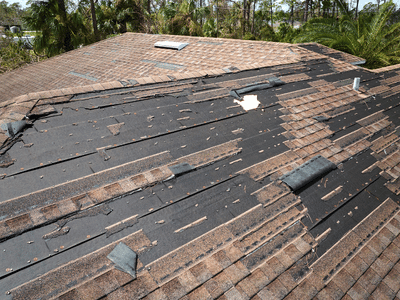
Storm damage roof repair typically takes anywhere from a few days to several weeks, depending on the severity of the damage, insurance approval timing, and material availability. A handful of replaced shingles might be finished in an afternoon. A full replacement following a major hailstorm, especially one that hit an entire neighborhood at once, can take a month or more once insurance, materials, and contractor scheduling are all factored in.
We get this question on almost every storm damage call, usually right after the homeowner asks whether the damage is bad enough to file a claim. It’s a fair question, but the honest answer depends on more variables than most homeowners expect, and a few of those variables are specific to how storms hit here in Northwest Arkansas.
What Actually Determines the Timeline
Here’s the thing that surprises people. The physical repair work itself is often the shortest part of the whole process. Replacing a section of shingles or resealing flashing can be done in a matter of hours once a crew is on the roof. What actually stretches a timeline out is everything that happens before that crew shows up, inspection, documentation, insurance approval, and material ordering.
Four factors drive most of the variation we see. The scope of the damage is the biggest one, a few missing shingles is a different project than a full tear-off. Insurance involvement adds real time, since claims need to be filed, documented, and approved before major work typically begins. Material availability matters too, especially after a widespread regional storm when demand for shingles and underlayment spikes across every supplier in the area at once. And weather itself can pause work entirely, roofing crews can’t safely work in active rain, high wind, or ice.
Typical Timeline by Repair Type
| Repair Type | Typical Timeline |
|---|---|
| Emergency tarping | Same day to 1-3 hours after contact |
| Minor repair (few shingles, small leak) | Same day to 2-5 hours of work |
| Moderate repair (larger section, flashing, gutters) | 1-3 days |
| Full roof replacement, no insurance delay | 1-3 days of actual work, once scheduled |
| Full process including insurance claim | 1-6 weeks from storm to completion |
These ranges assume normal conditions. A widespread regional storm that damages many roofs at once tends to push every stage of this timeline longer, since insurers, suppliers, and roofing crews are all handling higher volume simultaneously.
Stage One: Emergency Response and Tarping
If the storm caused an active leak or exposed section, the first priority isn’t a permanent repair, it’s stopping water intrusion. Emergency tarping can usually happen within hours of a call, and it buys time for the rest of the process without leaving the home exposed to further damage.
This step matters more than people realize for the overall timeline. A well-placed tarp means the permanent repair can proceed on a normal schedule rather than under emergency pressure, and it protects the interior of the home from the kind of secondary water damage that turns a roof repair into a much bigger project.
Stage Two: Inspection and Documentation
A professional inspection typically happens within a day or two of the initial call, longer during periods of high storm-related demand across the region. This is also where the documentation described in filing an insurance claim after storm damage gets built, the photos and written scope of damage that support whatever comes next in the insurance process.
Skipping or rushing this step doesn’t actually save time. Weak documentation is one of the most common reasons an insurance claim gets delayed or disputed, which ends up adding weeks to the overall timeline rather than saving days.
Stage Three: Insurance Approval
If insurance is involved, this stage is often the longest single piece of the whole process, and it’s largely out of the contractor’s hands. Once a claim is filed, an adjuster typically needs to inspect the property, and approval can take anywhere from a few days to a few weeks depending on claim volume and how complete the initial documentation was.
More often than not, the fastest path through this stage is having a contractor’s inspection report already on file before the adjuster visits, since it gives the adjuster a second, professional assessment to compare against their own findings rather than starting from scratch.
Stage Four: Material Ordering
Once a repair is approved and scoped, materials need to be ordered. Common shingle types are often available quickly, sometimes within a day or two, but during periods of high regional demand, popular colors or specific product lines can be back-ordered for a week or more. This is one of the more unpredictable parts of the timeline, since it depends on supplier inventory that a homeowner has no visibility into ahead of time.
Choosing a contractor with established supplier relationships genuinely helps here. A roofer who orders material regularly from the same distributors tends to get better visibility into what’s actually in stock versus what’s several weeks out.
Stage Five: The Repair or Replacement Itself
This is usually the fastest stage relative to how much attention it gets. A straightforward repair on a single-story home can often be completed in a day. A full replacement typically takes one to three days of actual work once the crew is on-site and materials are in hand, weather permitting.
Roof complexity affects this more than roof size does. A simple gable roof goes faster than one with multiple valleys, dormers, or steep pitches, since those features require more careful work around flashing and transitions.
Why Contractor Choice Affects Your Timeline
Arkansas requires roofing contractors to hold a proper license or registration for any project over $2,000, according to the Arkansas Department of Labor and Licensing, which oversees the Arkansas Contractors Licensing Board. That threshold covers nearly every storm damage repair, which means the contractor doing your roof should be able to show proof of that credential without hesitation.
This isn’t just a paperwork detail. An unlicensed or out-of-town contractor working a storm cluster is far more likely to cause delays down the line, whether through work that doesn’t pass inspection, a warranty that turns out to be unenforceable, or a crew that’s gone before punch-list items get addressed. A properly licensed, local storm and hail damage repair team doesn’t just protect the quality of the work, it protects the timeline too, since redoing a bad repair takes far longer than doing it right the first time.
What Slows a Timeline Down
A few things reliably add time to this process, and most of them trace back to factors outside anyone’s direct control. Weather is the most obvious culprit, active storms, high wind, or freezing temperatures can pause roofing work entirely for safety reasons.
Widespread regional damage compounds everything else, since insurers, suppliers, and roofing crews are all managing higher volume at once when an entire neighborhood is affected by the same storm. Incomplete or disputed documentation causes its own delays too, sending a claim back for additional review and adding days or weeks to a stage that otherwise moves fairly quickly.
What Speeds a Timeline Up
On the other side, a few things genuinely help. Acting quickly after the storm, rather than waiting to see if the damage settles, keeps the whole process moving from the start.
Having thorough documentation ready before the adjuster visits reduces the back-and-forth that often slows insurance approval. And working with a licensed, local contractor who already has supplier relationships and adjuster experience tends to move through every stage a little faster than starting from scratch with an unfamiliar company.
Frequently Asked Questions
How long does emergency tarping take after a storm?
Tarping can often happen within hours of the initial call, sometimes the same day, depending on contractor availability and the severity of regional storm activity.
Does insurance always slow down the repair timeline?
It adds time compared to a repair paid out of pocket, since claims need to be filed and approved, but thorough documentation upfront can meaningfully shorten that stage.
Can I speed up material ordering?
Not directly, but choosing a contractor with strong supplier relationships often means better visibility into what’s actually in stock versus what’s on backorder.
Why do repairs take longer after a big regional storm?
Widespread damage means more claims for insurers to process, more demand on material suppliers, and more roofs competing for the same pool of licensed local contractors.
Is a full roof replacement always slower than a repair?
The physical work is usually only a day or two longer than a repair, but replacement often involves more material and a more thorough insurance review, which extends the overall timeline more than the labor itself.
Do I need to be home during the repair?
Not necessarily for the roofing work itself, though it’s helpful to be available for the initial inspection and any questions that come up during the project.
What happens if my roofer isn’t properly licensed?
Beyond the legal risk, unlicensed work can complicate insurance claims and lead to redo work if the repair doesn’t meet code, both of which add significant time to the overall process.
Can weather delay a repair that’s already scheduled?
Yes. Active rain, high wind, or ice can pause roofing work for safety reasons, even after materials have arrived and a crew is scheduled.
How soon after the storm should I call a contractor?
As soon as reasonably possible. Early contact means an earlier inspection, earlier documentation, and a head start before contractor demand spikes across the region.
Does the type of roofing material affect the timeline?
Yes, somewhat. Common asphalt shingle types are typically the fastest to source, while specialty materials or less common colors can extend the material ordering stage.
What NWA Homeowners Should Expect From a Storm Damage Roof Repair Timeline
Storm damage roof repair timelines vary widely, but the pattern is consistent. The physical repair work is usually the fastest part, while documentation, insurance approval, and material availability are what actually stretch the process out. Acting quickly, documenting thoroughly, and working with a properly licensed local contractor are within a homeowner’s control, even when the rest of the timeline isn’t.
If your roof took a hit in a recent storm and you want a straight answer on what your specific timeline looks like, contact TCG Roofing and we’ll walk the damage with you and lay out exactly what to expect.